Restore programme
Restore is our pathway in Marylebone, London for people living below their own baseline with a diagnosed condition, who have already worked their way through the treatments that were supposed to help.

The short answer
What the Restore programme is
Restore is for people who are functioning below where they used to be, with a diagnosis already in place. Depression that has not responded to two or more antidepressants. Chronic pain. Fatigue that no amount of rest touches. You have usually tried several things by the time you read this.
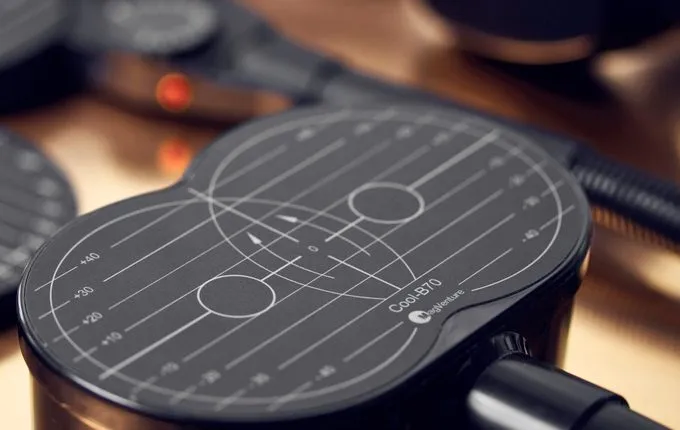
The programme starts by measuring rather than by treating. We take your baseline, we find the stimulation target your own physiology responds to, and only then do we set a course length. The same measures are repeated during the course, so whether it is working becomes a question with an answer.
We will also tell you when the evidence for your condition is thin. Stimulation has a large published evidence base in treatment-resistant depression and a much smaller one in fatigue, pain and cognition. Your clinician will say which of those two positions your own condition sits in before you commit to anything.
Areas treated
Why the pathway is built this way
- Your programme length is set after your assessment, not quoted before it
- A measured baseline, so progress is checked against your own numbers rather than your recall
- The stimulation target is chosen by testing your response, not by a fixed scalp coordinate
- Non-invasive and drug-free, alongside rather than instead of the care you already have
- Talking therapy and trauma-informed support can run in parallel where that helps
- An honest answer about the strength of the evidence for your specific condition
Patient journey
What a Restore programme involves
Consultation & preparation
Bring your diagnosis, your current medication list and a note of what has already been tried, including doses and roughly when. That history shapes the programme more than anything else you tell us. Eat and drink as normal and keep taking your usual medication unless your clinician has said otherwise. Avoid alcohol the night before a session, since it lowers the seizure threshold. Tell us about any metal in your head, any implanted cardiac device and any history of seizure before your first appointment rather than on the day.
During treatment
Aftercare
You can drive, work and exercise straight after a session. Mild scalp tenderness or a dull headache is common early in a course and usually settles within a couple of hours; ordinary painkillers are fine. Tell your clinician if a headache is severe or persistent, and contact the clinic immediately if you experience any loss of consciousness or seizure-like episode. Your NayaScore is repeated during the course, and your baseline is kept so that a later course starts from your real history rather than from memory.
Written and medically reviewed byNaya, Precision neuromodulation clinic · NICE: guideline NG206, myalgic encephalomyelitis (or encephalopathy) and chronic fatigue syndrome, diagnosis and management.
FAQ
Restore questions
Who is the Restore programme for?
People functioning below their own baseline who already have a diagnosis, most often treatment-resistant depression, chronic pain, fibromyalgia or chronic fatigue. Most have tried several treatments first. Your clinician decides at the free consultation whether stimulation is appropriate for your condition, and will tell you plainly when it is not.
How long is a Restore programme?
It depends on the condition and on how you respond, so the number comes after your assessment rather than before it. Courses here have run from five sessions to thirty. Sessions are delivered over weeks rather than in one visit, because the change we are aiming for depends on repetition.
I have already tried a lot of things. Why would this be different?
It might not be, and we would rather say that now. What differs in method is that your dose is set from your own motor threshold, your target is chosen by measuring your response, and the same measures are repeated during the course. That means an early answer rather than a hopeful one.
What does the evidence show for my condition?
That varies sharply by condition, and your clinician will be specific. Treatment-resistant depression has the largest published evidence base and NICE interventional procedures guidance. Chronic pain, fatigue and cognitive symptoms have earlier and smaller evidence. We will tell you which of those two positions applies to you.
What happens if I relapse afterwards?
Relapse is part of the picture for many long-term conditions and a second course is a normal response to it, not a sign the first one failed. Your baseline and your results are kept, so a later course starts from your real history. Etienne Balland describes exactly that sequence.
Related Treatments

Get Started
Ready to begin?
Book today.
Naya • 1 Orchard Street, London W1H 6HJ
BookAppointments typically available within 1–2 weeks